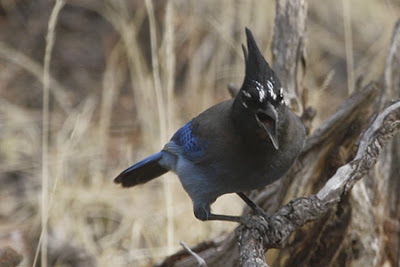
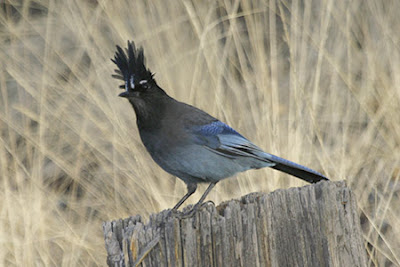
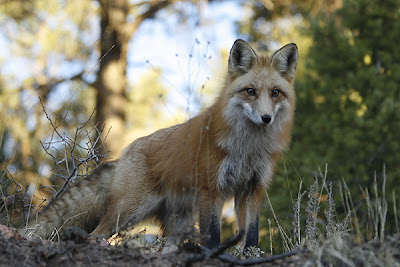
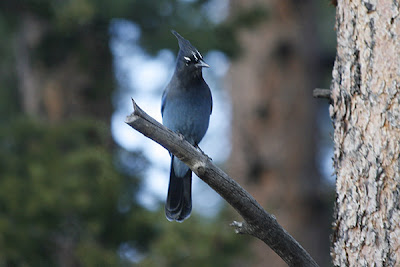
 The 100-400mm and I are getting along fine, though I?ve not encountered the larger wildlife subjects I would prefer to photograph to test it. The stellers jays and squirrels are willing to pose briefly as they hurry to and fro picking up their payment of seeds and nuts.
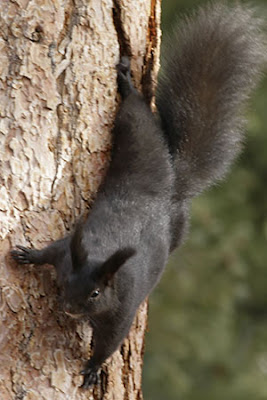
The squirrels spend so much time chasing each other away from the food, they eat very little. The jays seem to enjoy the contest of who-can-eat-the-most, so the first to arrive calls out to others. Let the eating begin!
The lens is a bit heavy for me at 3 pounds, so hand held photography is alternated with tripod support. The manual says to switch off the IS (image stabilization) when using a tripod, but I sometimes forget. When I do remember, I then forget to switch it on again for hand held. Wish I could buy more memory for my wee brain.
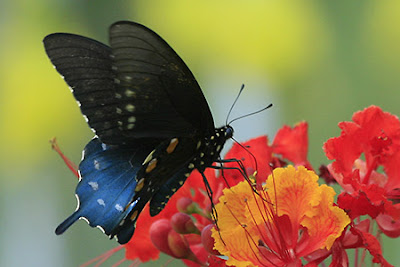
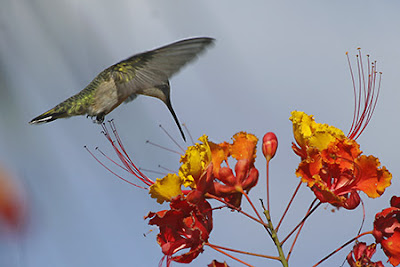
I like to shoot aperture priority when photographing birds as they move in and out of the shadows so quickly. All the images in this post were shot at f/5.6 with the ISO at 400 or higher. Shutter speeds vary with each image.
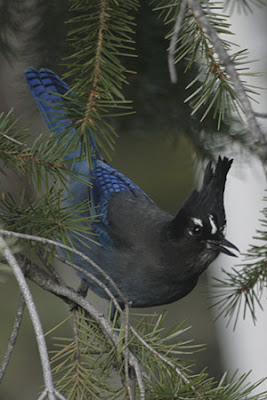
I?ve been working around the outside of my home, mostly shooting from the deck into the trees. Since the house is on a steep hillside, shooting from the deck often puts me at eye level with the birds in the trees.
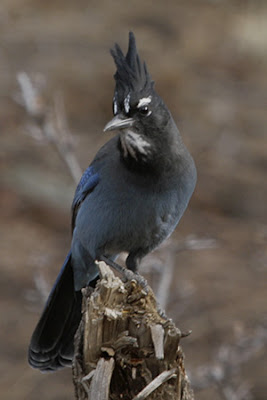
When I photograph birds, I begin to recognize individuals by the variations in their markings or injuries they have. I believe the birds are taking in the sight of me as well. I changed hats this morning as the temperature rose. When I put on the new hat, the birds flew up to higher branches and watched me for some minutes before coming back to feed. I suppose they?ve taken note of the new lens, too.


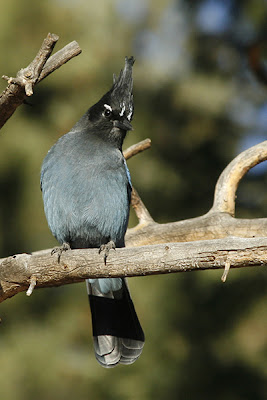 These are crops of the low resolution jpegs. I shoot RAW plus jpeg, but usually only process the raw files for printing. For the blog images, I just crop, if needed, the jpegs and resize them smaller for easy viewing on the web.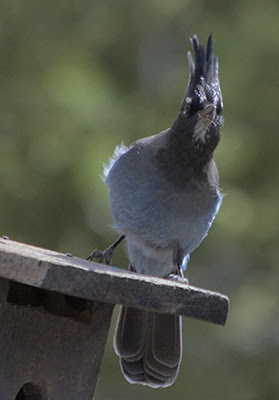



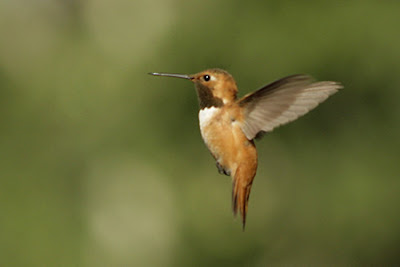 Rufous sits on the tip of a dead douglas fir branch to keep an eye out for intruders. He doesn’t seem to know that he’s the intruder here. The broadtails arrived months ago.
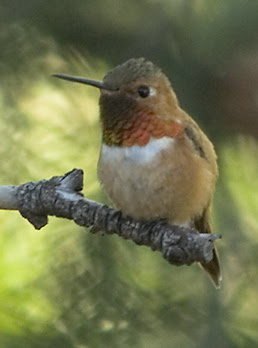 Rufous is like the grade school bully who thinks he has to make up for his small size by being faster and meaner than everyone else. For those of you who haven’t met rufous, you can see how small he is in the image below where he sits on a feeder with a 5 inch tall bottle.
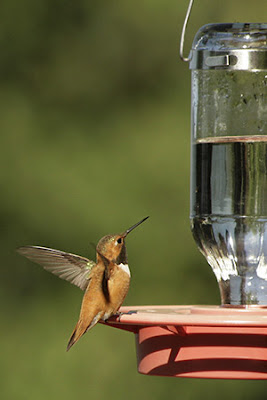 Rufous will stay for about a month and then he will move on. He’s already ‘summered’ in the north and will continue his southward migration sometime next month. Rufous hummingbirds nest as far north as southern Alaska and winter in Mexico. They travel northward in spring through the pacific lowlands and make the return trip mid summer through the Rockies to take advantage of peak wildflower times.


.jpg)


